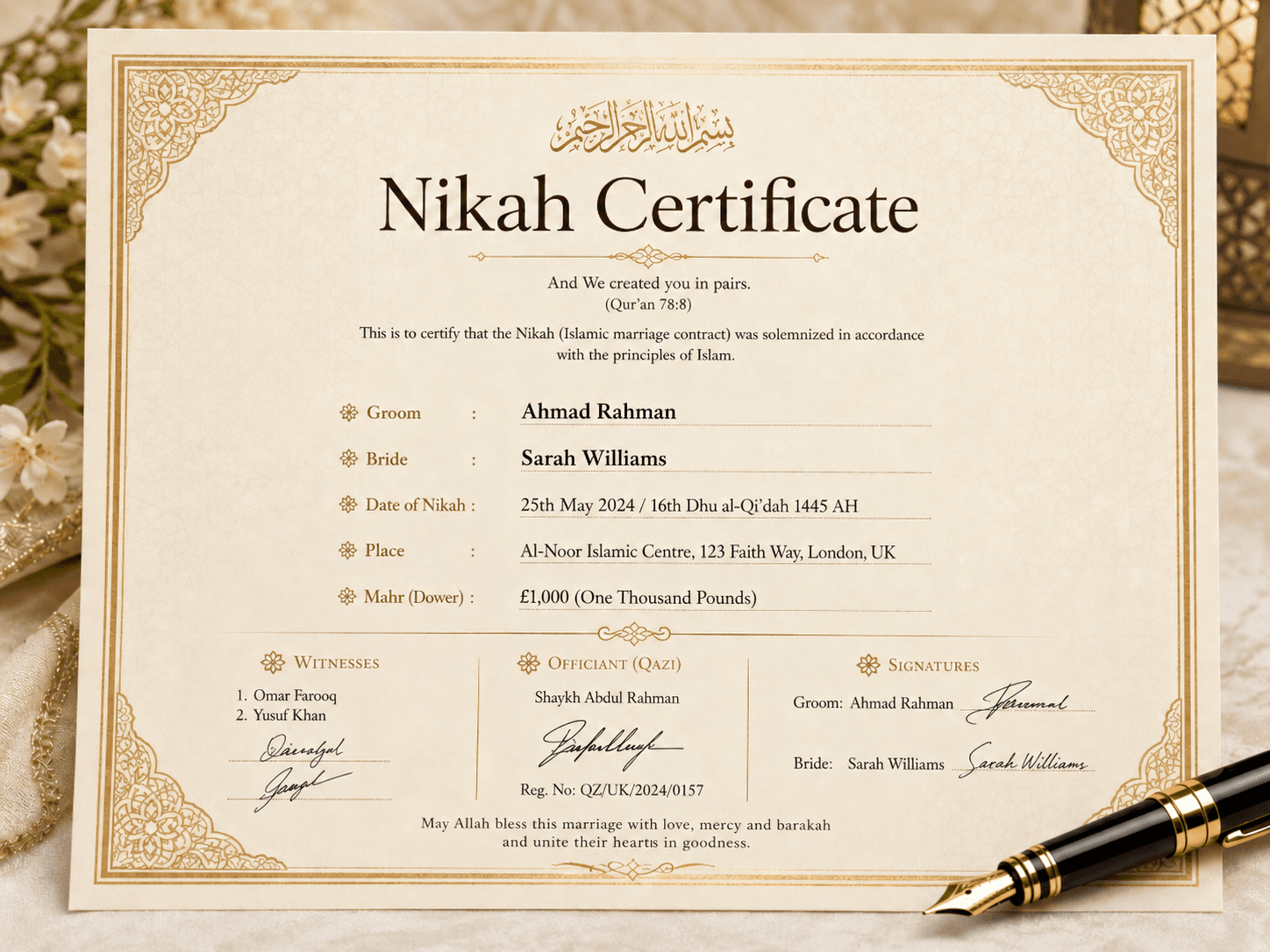
The iddah (waiting period post-divorce or death of husband) is not a punishment or a restriction meant to burden a woman. It is an act of worship and care from Allah, our Creator who knows us better than we know ourselves. Much of this comes down to perspective. If it is viewed as a form of punishment or confinement, it can weigh heavily on one’s mental and emotional state. But when it is understood for what it truly is, it often reveals itself as a blessing in disguise. When Allah instructs a woman to observe iddah, it is for her benefit and protection, not to deprive her.
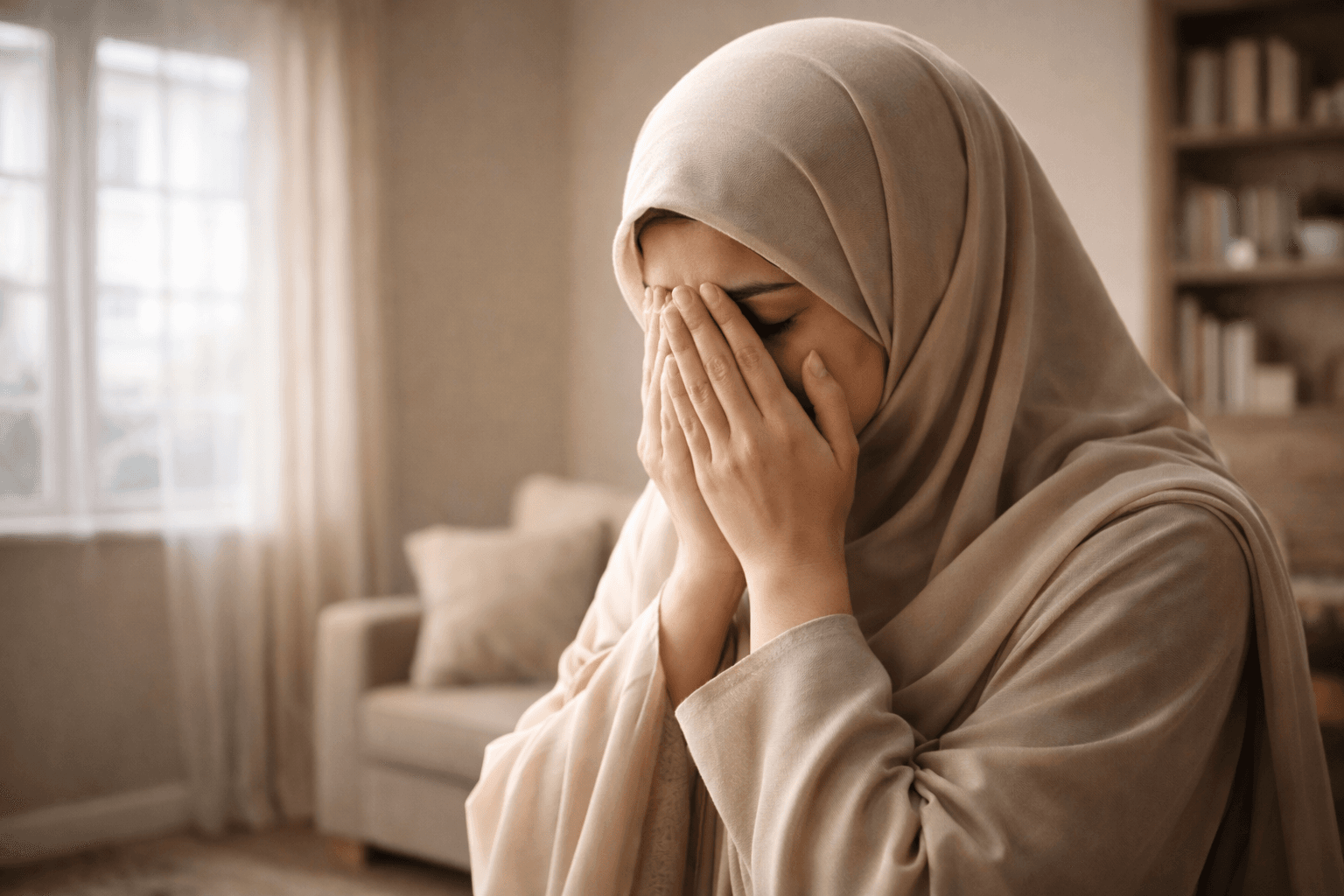
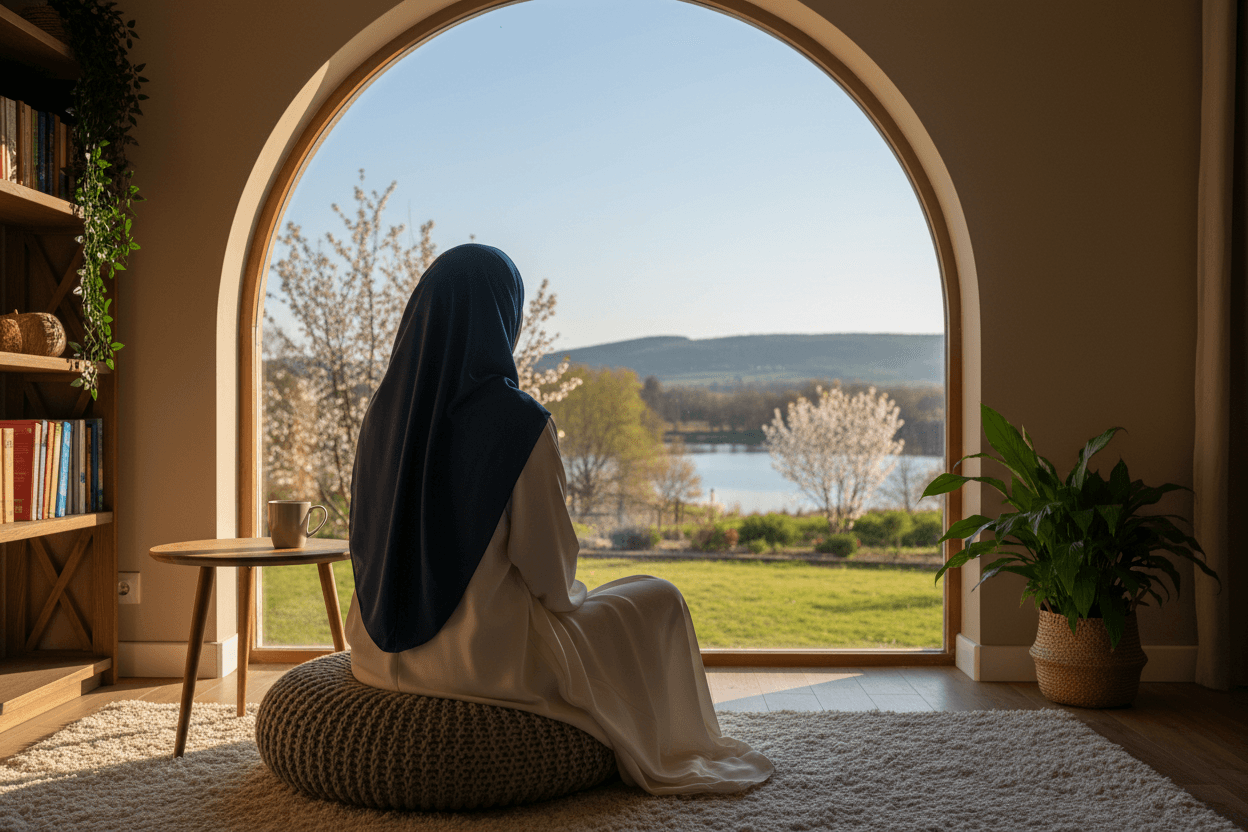
A woman is naturally more connected to her emotions, and a divorce can deeply affect her heart and mental wellbeing. If she does not have the chance to properly heal, reflect and rebuild herself, the pain can follow her into future relationships and negatively affect them. Iddah gives her that essential time, a period to focus on herself, to repair what has been broken and to regain inner strength. This healing is most effective in a calm and protected environment.
At the same time, iddah does not mean cutting herself off from people. Family and friends can still visit her and support her. In fact, this period often reveals who her true well wishers are, those who care for her sincerely and stand by her.
Another wisdom is that after a breakup a woman can be emotionally vulnerable. Sadly, there are people who take advantage of that vulnerability, appearing as saviours while having selfish intentions. They may make false promises of a better future, play on her emotions and then abandon her leaving her traumatised even more, or she may rush into a situation that is not right for her fearing she will not get anything better and later regret it. Iddah acts as a shield against such harm and allows decisions to be made from strength rather than pain.
These are only some of the reasons behind this command, and ultimately it is the order of the All Wise who plans what is best for His servants. She is not required to live in isolation. Rather, those around her should understand she is in iddah and accommodate her needs. Instead of expecting her to come out, let us bring the support, conversation and even the cafe to her.
With this understanding, the guidance of the Shari‘ah becomes clearer that during iddah she should not go out to the masjid for talks or to social places like cafes.
May Allah grant ease and healing to every woman going through this stage and surround her with sincere people who uplift her, Ameen.