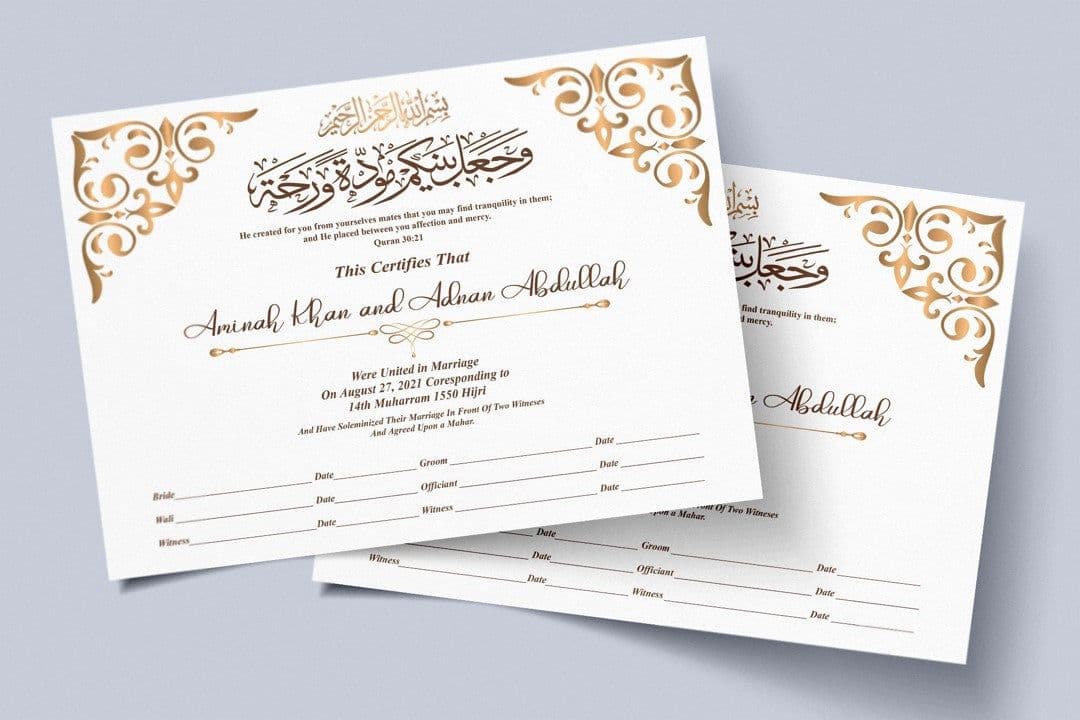
Nikah (Islamic marriage) is a deeply significant milestone in a Muslim’s life, and performing it in accordance with Islamic principles ensures both spiritual and legal clarity. If you’re wondering how to get a nikah, this guide will walk you through the process, from finding a spouse to completing the ceremony.
1. Finding a Suitable Spouse
Marriage in Islam is built on compatibility, mutual understanding, and shared values. The Prophet ﷺ advised that faith and character should be primary considerations in choosing a spouse. If you are searching for a suitable match, consider:
- Seeking help from family members, elders, or trusted community members.
- Using reputable marriage services that prioritize Islamic guidelines.
- Speaking to potential spouses within a halal framework, ensuring the process remains respectful and dignified.
Once you and your potential spouse agree to marry, the next steps involve making the nikah official.
2. Preparing for Marriage
Before getting married, it's crucial to prepare for the responsibilities that come with it. Many couples enter marriage without fully understanding the rights and duties of a husband and wife in Islam, which can lead to challenges later on.
To help Muslims build a strong foundation, we’ve created a free online course, the Muslim Marriage Crash Course. This course provides essential guidance on what makes a marriage successful, covering Islamic principles, conflict resolution, communication, and practical marital advice. Completing this course before your nikah can help you approach marriage with clarity and confidence.
3. Understanding the Conditions of a Valid Nikah
For a nikah to be valid in Islam, certain conditions must be met:
- Mutual Consent – Both the bride and groom must willingly agree to the marriage.
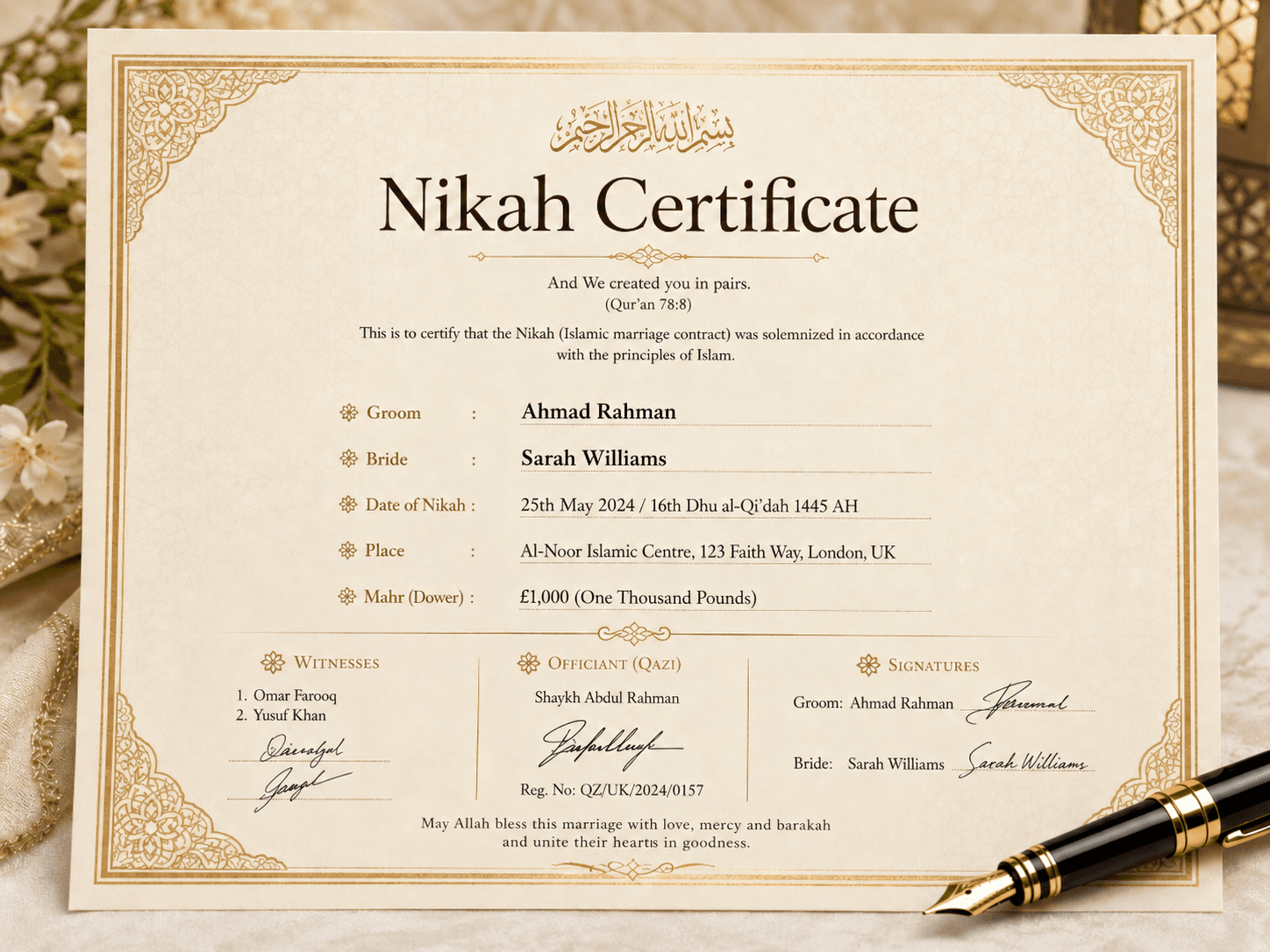
- Mahr (Dowry) – The groom must offer the bride a mahr, which is her right in marriage. It can be money, gold, or anything of value agreed upon by both.
- Two Witnesses – The nikah must be conducted in the presence of two adult Muslim witnesses.
- Marriage Proposal and Acceptance – The nikah ceremony includes the formal offer (ijab) and acceptance (qubul), spoken clearly by both parties or their representatives.
4. Do You Need a Wali (Guardian)?
The requirement of a wali (guardian) for a woman’s marriage varies among the Islamic schools of thought:
- According to the majority of scholars (Shafi‘i, Maliki, and Hanbali schools), a woman cannot marry without the approval of her wali, typically her father or closest male guardian.
- In contrast, the widely accepted position within the Hanafi school is that an adult, sane Muslim woman has the right to contract her own marriage without a wali, provided she marries a suitable (kufu’) spouse.
That being said, involving family in the marriage process is always advisable, as it ensures support, transparency, and the preservation of good relations.
5. The Nikah Ceremony
Once the conditions are met, the nikah can take place in a masjid, at home, or in any suitable setting. An imam or scholar will typically conduct the ceremony by:
- Reciting verses from the Qur’an and hadith about the virtues of marriage.
- Confirming the agreement between the bride and groom.
- Conducting the ijab and qubul (offer and acceptance) in the presence of witnesses.
- Announcing the agreed-upon mahr.
- Leading a short du‘a (supplication) for barakah (blessings) in the marriage.
6. Civil Marriage Considerations
In many countries, a nikah performed in a masjid or Islamic setting is not legally recognized by the government unless it is registered as a civil marriage. If you wish for your marriage to be legally recognized, you will need to complete a separate civil marriage process.
7. How Can We Help?
At the Muslim Family Foundation (MFF), we have experienced scholars who can perform your nikah in accordance with Islamic principles. Whether you need guidance on the process or want to arrange a nikah ceremony, feel free to reach out to us:
📩 Email: support@themff.co.uk
📞 Call or WhatsApp: +447824 164693
If you’re preparing for marriage, don’t forget to check out the Muslim Marriage Crash Course—a free, structured program designed to help you understand the essentials of a successful Islamic marriage.
We’re here to help you take this blessed step with confidence and ease. May Allah bless you with a happy and fulfilling marriage!